
Shoulder rolls
Lift the shoulders slowly, guide them back, and let them settle down for about forty seconds.
Move comfortably and keep the jaw relaxed.Practical lifestyle guidance for men 50+ in Poland
A practical guide to gentle movement, pelvic-floor awareness, food-based nutrients, better sleep, and simple routines that fit into everyday life after 50.

A practical daily guide
A useful routine does not need to be intense or complicated. A few minutes of movement in the morning, a short evening practice, balanced meals, and a consistent sleep schedule can create a clearer structure for the day.
The aim of this guide is to help readers organize simple habits without pressure, extreme rules, or unrealistic promises. Each activity should feel comfortable and should be adapted to personal mobility and experience.
A flexible template
Use this example as a flexible template rather than a strict timetable. The order can be adjusted to match work, family responsibilities, and personal energy levels.
| Time | Routine | Description |
|---|---|---|
| 7:00 | Morning mobility | Complete the 5-minute stretching sequence |
| 8:00 | Balanced breakfast | Include a source of protein, fibre, and a food-based nutrient focus |
| 10:30 | Movement break | Stand, walk, and gently move the shoulders and hips |
| 13:00 | Midday reset | Take a short walk after lunch when practical |
| 17:30 | Flexibility practice | Use the scheduled yoga or stretching activity |
| 20:00 | Evening routine | Complete three gentle Kegel exercise variations |
| 21:30 | Wind-down | Reduce stimulation and prepare for consistent sleep |
Five minutes in the morning
The morning sequence should use slow, controlled movements and a comfortable range. The goal is to wake up the body without rushing or forcing any position.
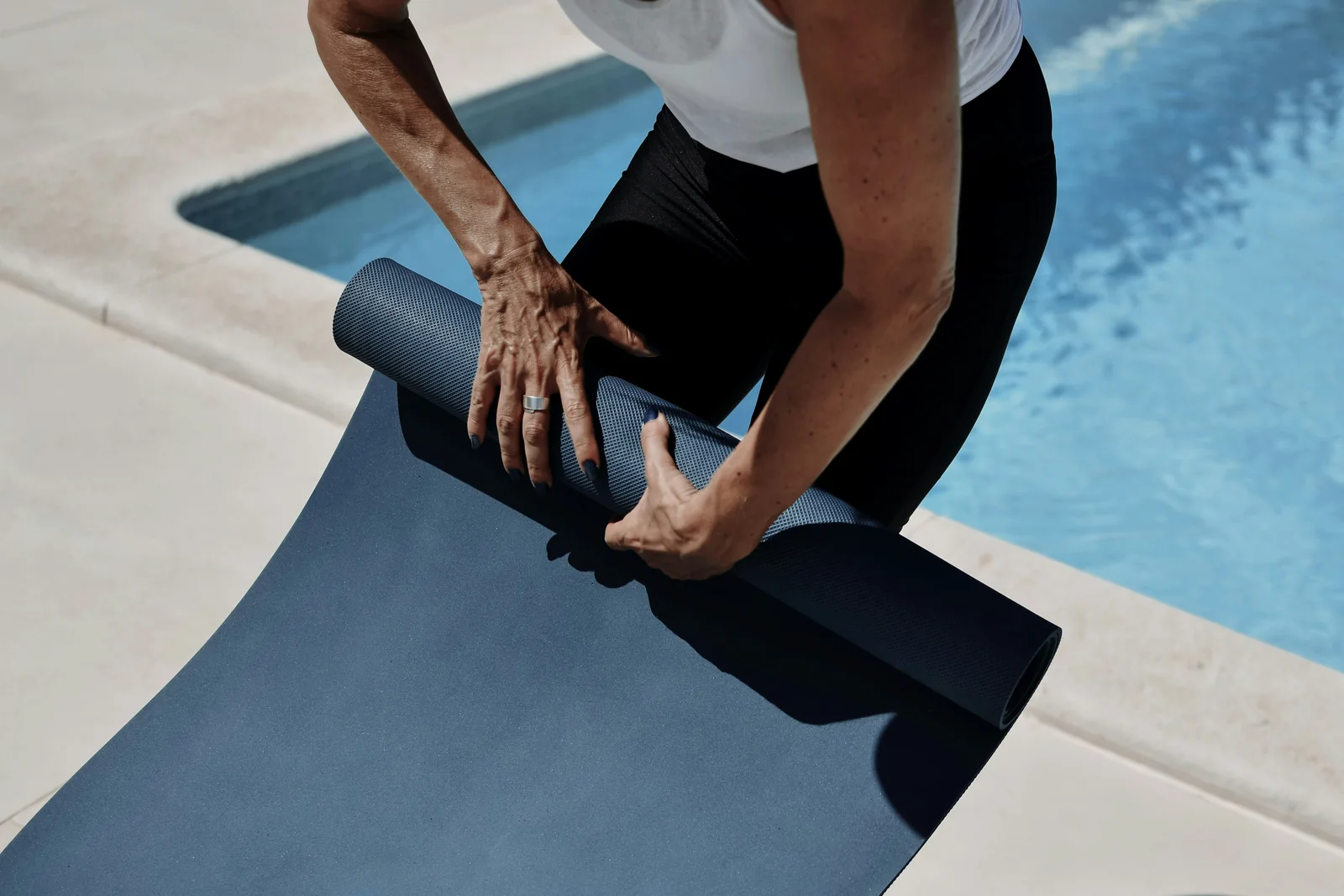
Lift the shoulders slowly, guide them back, and let them settle down for about forty seconds.
Move comfortably and keep the jaw relaxed.Draw the shoulders slightly back while breathing normally for about forty seconds.
Move comfortably and avoid forcing the ribs forward.Use chair support and reach one arm overhead for about thirty seconds on each side.
Move comfortably and keep both feet grounded.Hold a stable chair, send the hips back, and return slowly for about one minute.
Move comfortably and use a smaller range when needed.Hold a chair and alternate gentle heel lifts and controlled ankle movement for about one minute.
Move comfortably and maintain steady support.A quiet evening practice
Use calm breathing, gentle muscle engagement, and complete relaxation between repetitions. Quality and awareness are more important than force.
Focus on identifying the correct muscle area while keeping the abdomen, legs, and shoulders relaxed.
Gently engage, hold only for a comfortable period, and release fully.
Use brief engagements followed by clear relaxation.
A flexible weekly rhythm
The weekly plan combines gentle yoga and stretching without requiring advanced positions or long sessions. Rest days and ordinary walking remain part of the schedule.
Food-based nutrition
These cards should introduce common food sources without discussing products, doses, or guaranteed outcomes. Readers should be encouraged to choose a varied diet rather than focus on a single ingredient.
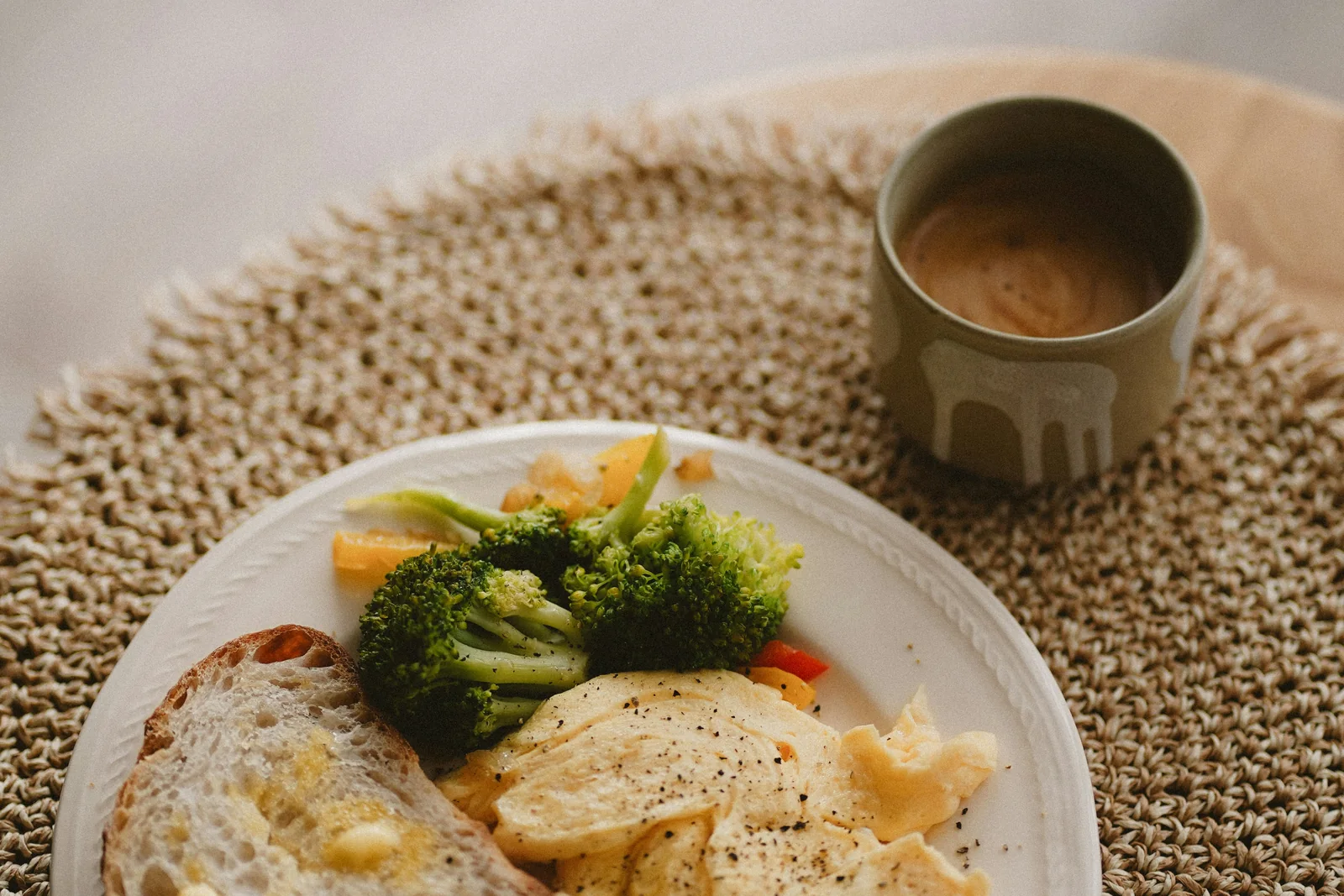
Food examples include fatty fish, egg yolks, selected mushrooms, and appropriately fortified foods.
Today’s food idea: Add eggs or fish to a balanced meal.Food examples include leafy green vegetables, beans, nuts, seeds, and whole grains.
Today’s food idea: Add seeds or beans to lunch.Food examples include meat, fish, seafood, eggs, dairy foods, beans, nuts, and whole grains.
Today’s food idea: Build a meal around eggs, beans, fish, or another familiar whole food.Evening recovery
Aim for similar sleep and wake times on most days.
Use a simple routine such as reading, quiet music, gentle breathing, or light stretching.
Keep bright screens, intense activity, and stressful tasks away from the final part of the evening when possible.
A quiet, comfortable, and appropriately dark environment can support a consistent routine.
Notice whether large late meals or excessive drinks make sleep less comfortable.
The best time is usually the time that fits your schedule and allows you to practice consistently. Gentle stretching may work well in the morning, while a quiet mobility or Kegel routine may be easier in the evening.
Begin with a short, comfortable routine and focus on correct muscle awareness and full relaxation. Avoid excessive force or repeatedly adding more repetitions simply to make the session harder.
Common examples include meat, fish, seafood, eggs, dairy foods, beans, nuts, and whole grains. A varied eating pattern is more useful than relying on one food.
Yes, provided the activities remain gentle and comfortable. Avoid forcing a position or repeating the same demanding movement when the body feels tired.
The example routine takes approximately five minutes. It can be shortened or extended according to mobility, experience, and available time.
Stop the movement and do not force the position. Persistent pain, dizziness, unusual pressure, or concerns about safe movement should be discussed with a qualified healthcare professional.
Editorial library

A short sequence for gently moving the shoulders, spine, hips, calves, and ankles at the beginning of the day.
Read guideA calm evening routine focused on awareness, controlled engagement, breathing, and complete relaxation.
Read guideThree short weekly sessions combining supported yoga positions, gentle stretching, balance, and relaxed breathing.
Read guideA food-first guide to familiar sources of three nutrients and simple ways to include varied whole foods in everyday meals.
Read guideA practical guide to sleep timing, evening routines, room preparation, light exposure, and calmer habits before bed.
Read guideAn example day combining morning stretching, movement breaks, balanced meals, evening Kegel exercises, and a consistent wind-down routine.
Read guideEssential functions remain active. Optional analytics can be enabled or disabled below.